123-456-7890

hellocallcenter@gmail.com

123 Anywhere St., Any City, 12345
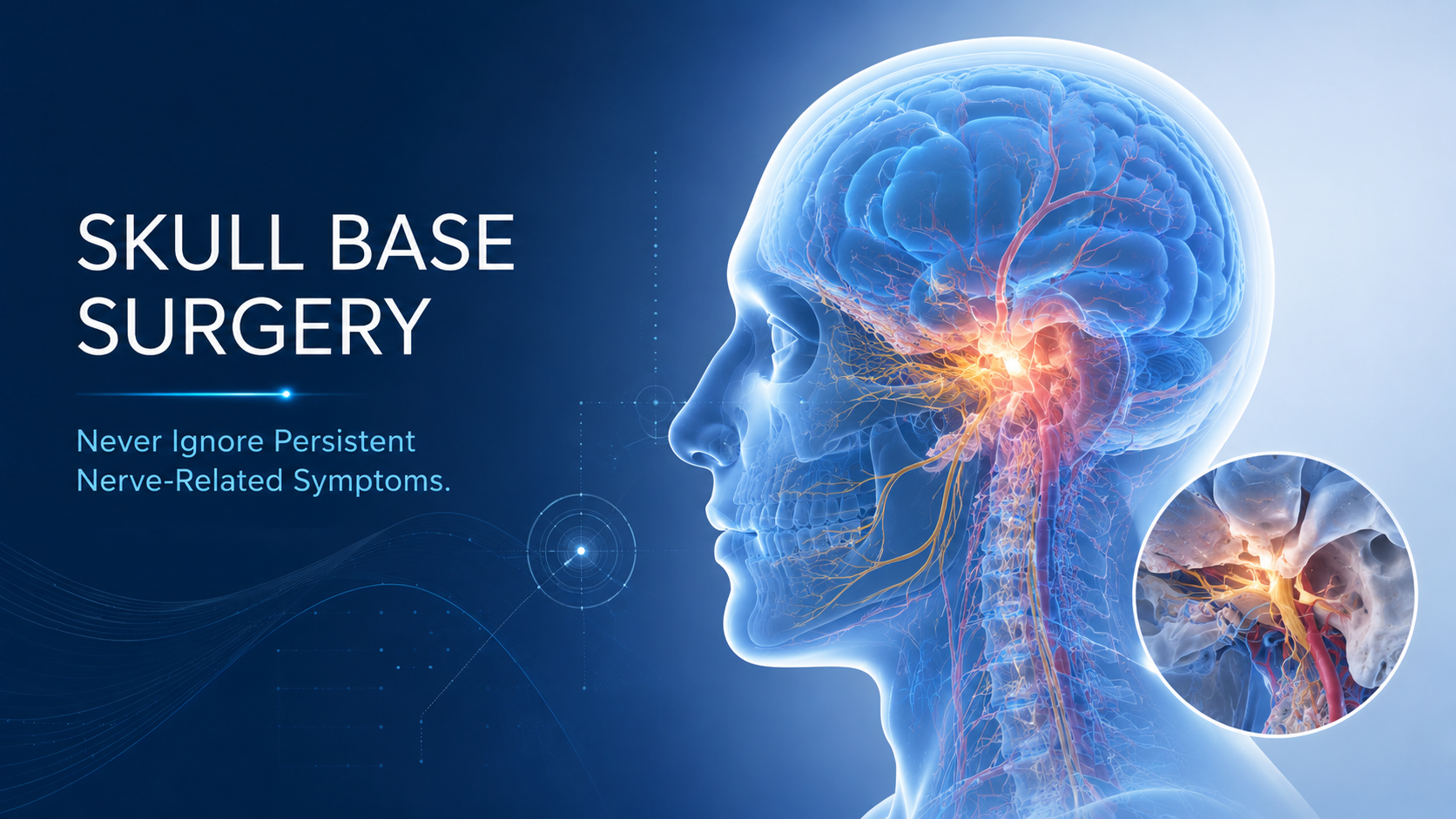
The base of the skull contains many important nerves and blood vessels that control vision, hearing, balance, swallowing, and facial movement. Persistent headaches, double vision, hearing loss, facial numbness, or clear fluid leaking from the nose should never be ignored.The base of the skull contains many important nerves and blood vessels that control vision, hearing, balance, swallowing, and facial movement. Persistent headaches, double vision, hearing loss, facial numbness, or clear fluid leaking from the nose should never be ignored. Early evaluation allows many skull base conditions to be diagnosed before permanent nerve damage occurs. Timely treatment often leads to better outcomes and a smoother recovery.
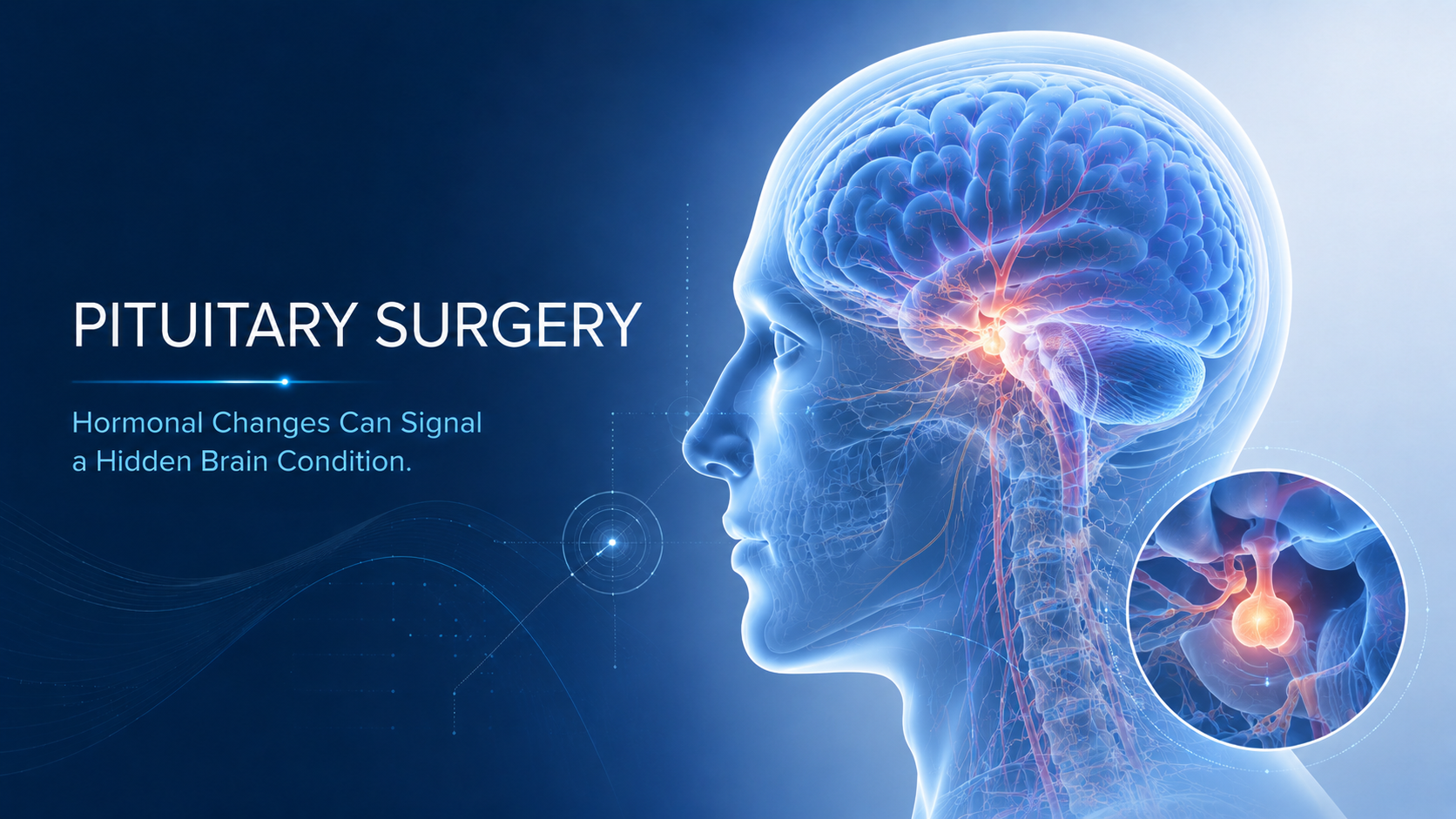
The pituitary gland controls many of your body's hormones. Unexplained fatigue, irregular menstrual cycles, infertility, unexpected weight changes, reduced libido, persistent headaches, or vision problems may indicate a pituitary disorder. Regular medical assessment and appropriate hormone testing can help detect problems early, allowing treatment before complications develop
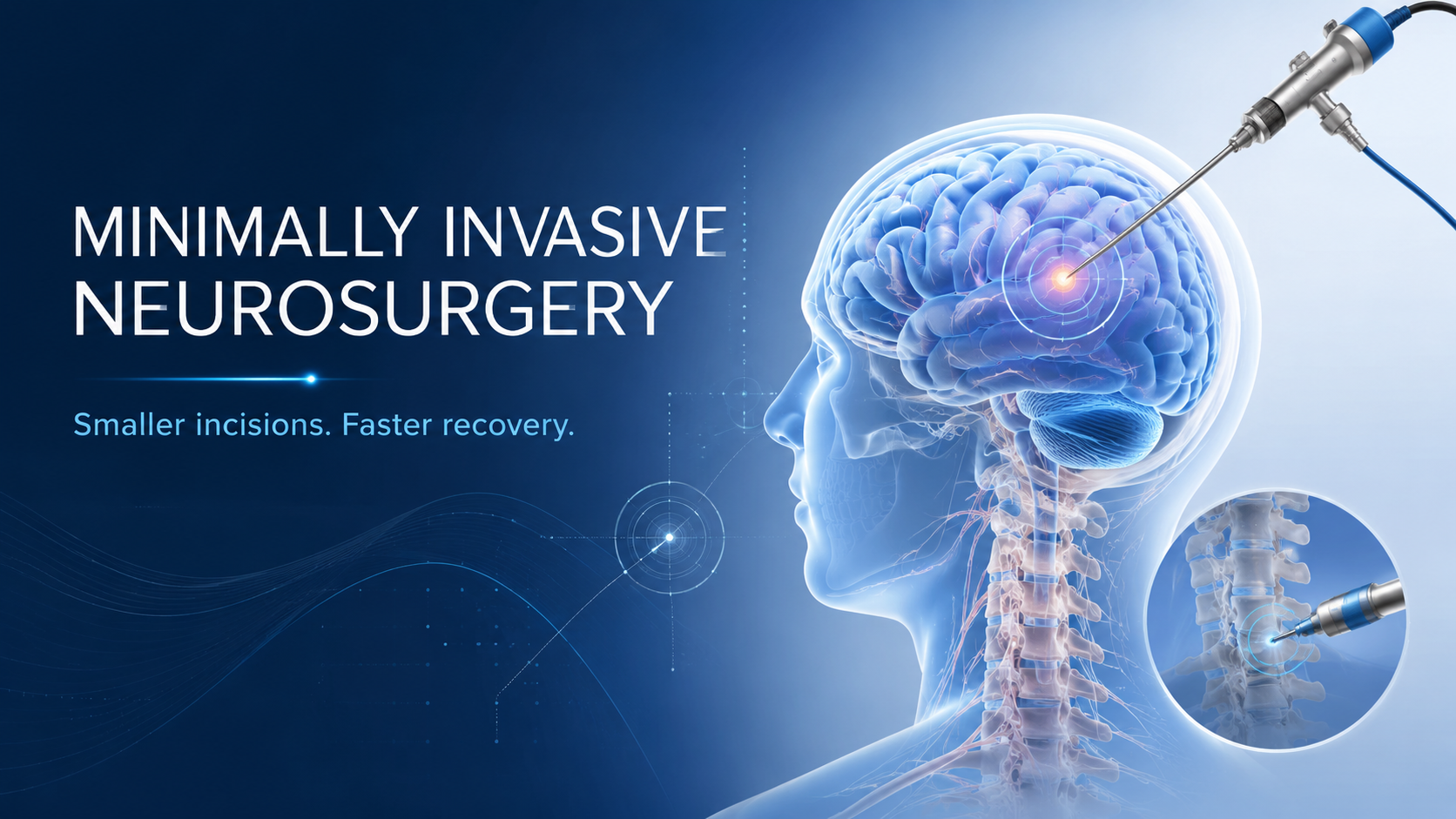
Modern neurosurgery offers minimally invasive techniques for many brain and spinal conditions. Smaller incisions often mean less pain, reduced blood loss, shorter hospital stays, and faster recovery when patients are suitable candidates. Seeking specialist advice early provides more treatment options and may help avoid disease progression that requires more extensive surgery.
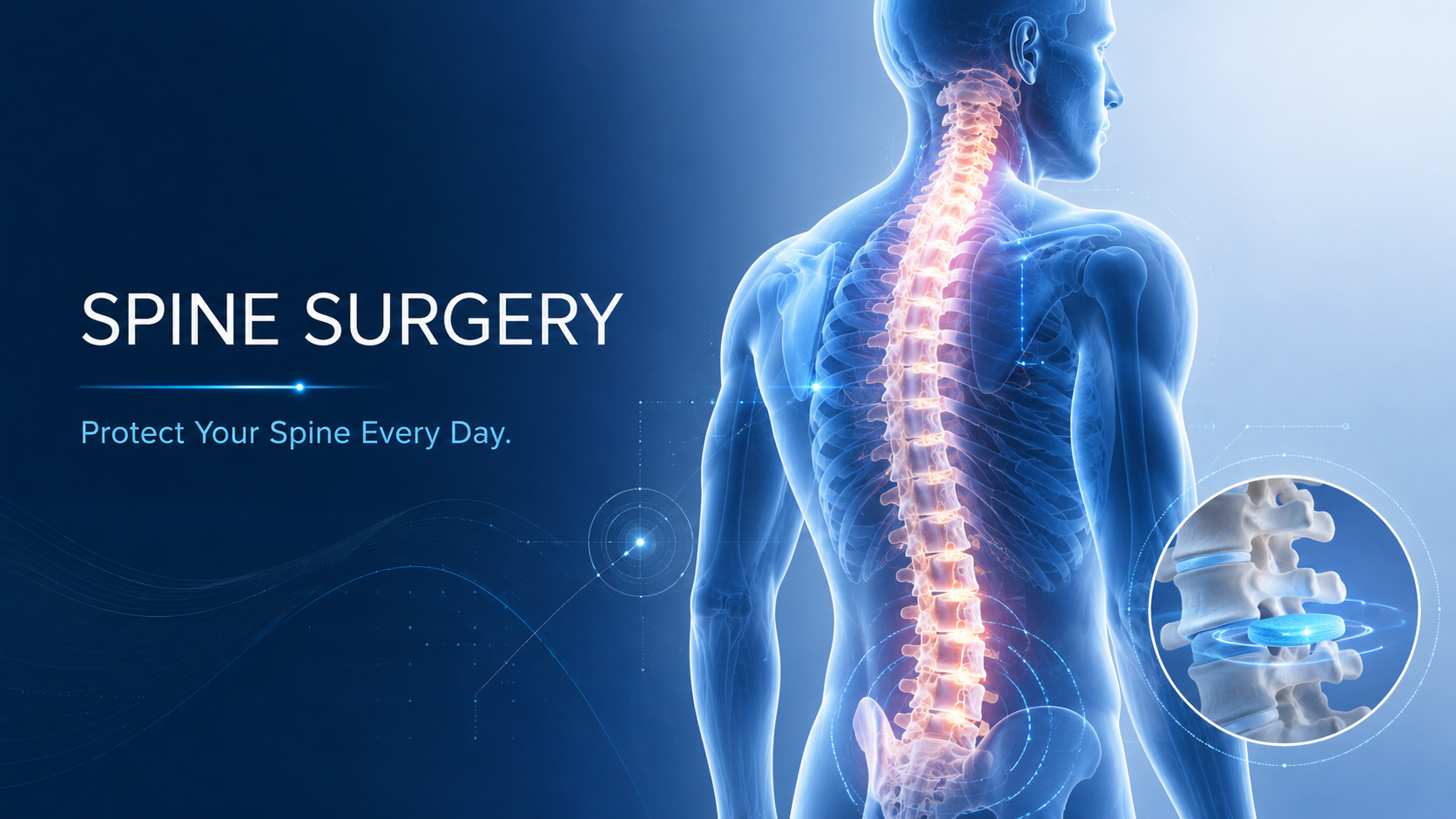
Many spinal disorders can be prevented or delayed through healthy daily habits. Maintain good posture, lift heavy objects correctly, exercise regularly to strengthen your core muscles, maintain a healthy body weight, and avoid smoking. If neck pain, back pain, numbness, weakness, or bladder or bowel problems persist, seek medical evaluation promptly rather than relying on prolonged self-medication. Early diagnosis can prevent permanent nerve damage and improve treatment outcomes.